Trade shows move fast. From the first concept to the moment your booth is ready for attendees, there are countless details to coordinate—and even a small production issue can create a big problem on the show floor.
At Benchmark Imaging & Displays, we’ve worked on trade show projects ranging from individual graphics and portable displays to large, multi-component exhibit programs. Over time, we’ve learned that successful projects have a lot in common.
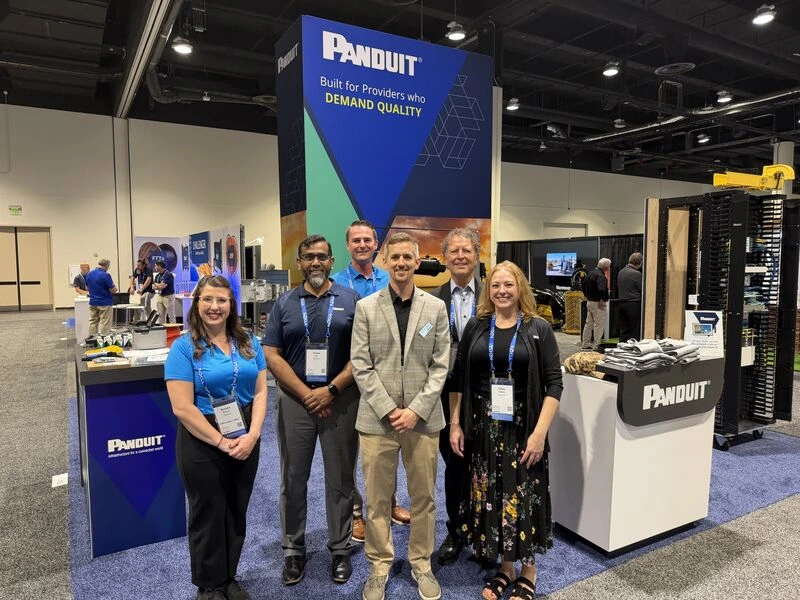
Here are five lessons we’ve learned from producing successful trade show graphics and displays.
1. Start with the End Goal in Mind
Every successful trade show project starts with a clear understanding of what the display needs to accomplish.
Are you introducing a new product? Creating a branded environment? Driving traffic to a specific area of the booth? Providing a private meeting space? Supporting a product demonstration?
The answers help determine everything from the display format and materials to the type of large format printing required.
Portable displays can provide a flexible solution for companies attending multiple events, while larger custom configurations can create a more immersive branded environment. For companies that need a polished, professional appearance without sacrificing portability, dye-sub fabric SEG and backlit fabric SEG displays offer eye-catching options that are easy to transport and install.
When the objectives are clear from the beginning, production decisions become much easier.
2. Choose Materials for the Application
Not every trade show graphic needs the same substrate or finishing process. Selecting the right material can make a significant difference in appearance, durability, installation, and overall project performance.
For rigid graphics, direct to board printing on Sintra is a popular option for applications requiring a lightweight, durable graphic.
Styrene can also be an effective choice for a variety of interior signage and display applications.
For graphics that need to adhere directly to a surface, adhesive vinyl provides versatility for walls, counters, displays, and other branded elements. And when the goal is to bring the brand onto the floor, floor graphics can help guide attendees while extending the visual impact of the booth beyond the walls.
Fabric graphics, meanwhile, can provide a sleek, seamless appearance. Dye-sub fabric SEG graphics are designed to fit into silicone edge frames, creating clean lines and a finished look. For added visual impact, backlit fabric SEG graphics can make messaging, logos, and imagery stand out with illumination.
The right material depends on where and how the graphic will be used. Working with an experienced large format printing partner can help ensure that the substrate matches the application.
3. Build a Production Timeline Around the Show Date
One of the most important lessons from successful trade show projects is simple: meeting deadlines starts well before the deadline.
Trade show schedules are rarely flexible. Freight needs to leave on time. Advance warehouse deliveries have specific windows. Installation crews may be scheduled before the exhibit hall opens. Missing one production milestone can create a chain reaction.
That’s why an effective project timeline should account for more than just the time required to print the graphics.
Artwork approval, proofing, production, finishing, quality control, packing, shipping, and delivery all need to be considered. If graphics require special finishing, mounting, sewing, kitting, or assembly, those steps should be included in the schedule from the beginning.
At Benchmark Imaging & Displays, careful project coordination is an important part of delivering successful trade show projects. Meeting deadlines isn’t simply about getting a graphic off the press—it means making sure the finished pieces are ready when and where they’re needed.
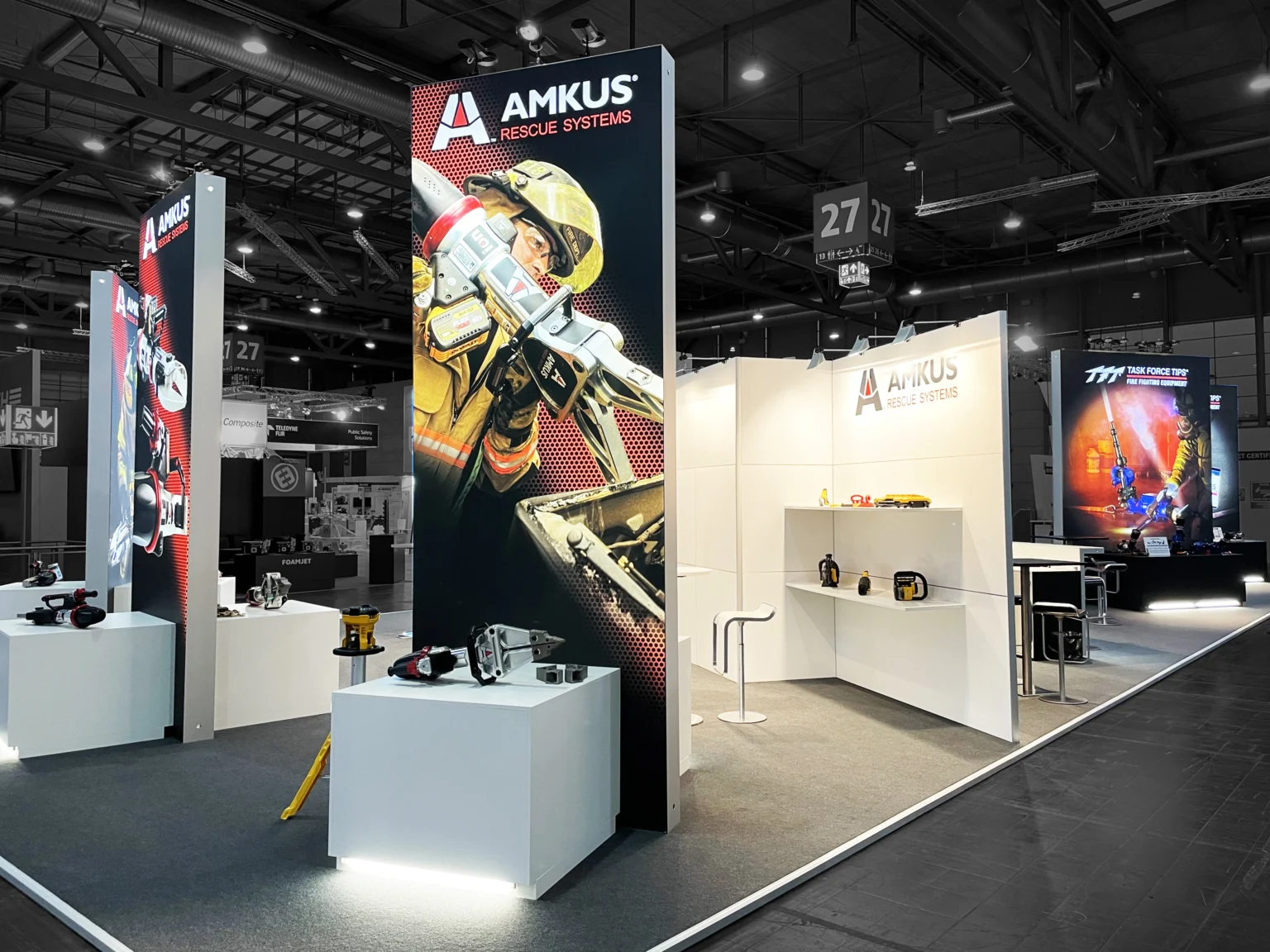
4. Consistency Matters Across Every Graphic
A trade show booth is rarely made up of one graphic. There may be fabric walls, backlit displays, counters, product graphics, hanging signs, floor graphics, meeting-room graphics, and smaller promotional elements—all working together as one branded environment. Consistency across those components is essential.
For example, a project might combine backlit fabric SEG with non-illuminated dye-sub fabric SEG, direct-to-board graphics, adhesive vinyl, and floor graphics. Each application has different production considerations, but the finished project should still look like one unified brand experience.
Coordinating all of these elements with one experienced production partner can simplify the process and help maintain consistency from graphic to graphic.
5. Experience Makes the Process Easier
Even a straightforward trade show project can involve dozens of decisions. An experienced display and printing partner can help identify potential issues before they become problems.
Questions about substrates, graphic dimensions, finishing, installation, packaging, shipping, or display hardware are much easier to address early in the process than on the show floor.
Experience also matters when a project changes. Maybe the booth footprint changes. A deadline moves up. An additional graphic is needed. A different substrate makes more sense for an application.
Successful trade show projects require flexibility as well as production expertise.
Putting the Lessons into Practice
The best trade show projects aren’t necessarily the ones with the most graphics or the biggest footprint. They’re the projects where the display solution, materials, production schedule, and logistics all work together.
Whether you need large format printing, dye-sub fabric SEG,backlit fabric SEG, direct-to-board graphics on Sintra or styrene ,adhesive vinyl, floor graphics , or a complete portable display solution, planning ahead can make the entire process smoother.
At Benchmark Imaging & Displays, we help businesses turn trade show concepts into finished graphics and display solutions designed for the real-world demands of events.
Because when the show opens, there’s no room for “almost ready.”
Plan carefully. Choose the right materials. Work with an experienced production partner. And make your next trade show project one that’s ready to perform when it matters.